


The biggest source of ethical risks facing companies in the UK are the current economic conditions driven by high inflation, according to new research.
The Institute of Business Ethics (IBE) says the cost-of-living crisis, high energy costs and high inflation have had a “wide ranging” impact that could result in pressure on organisations and individuals to be “unethical”.
The second largest source of ethical troubles are data protection and privacy, then fraud. Fourth is health and safety at work and fifth is the treatment of vulnerable customers, an issue high on the minds of many policymakers, given the current cost-of-living crisis.
Ian Peters, the IBE’s director, warns that placing customers low down the list of concerns may see some organisations heading for trouble. “Larger organisations may be making a mistake by placing the fair treatment of customers at a lower priority than other issues.
Customers are unlikely to believe businesses’ claims to be ethical if they have a poor experience with them.” Concern for customers, Peters adds, should be integrated into a code of ethics and not rely on pressure from external regulators.
Peters says there is further concern that health and safety appears only at four on the list while “fair pay and employment conditions” come in at only ninth.
‘Out of touch’
The IBE points out that its own Attitudes of the British Public to Business Ethics survey “consistently” reveals fair pay and the issue of excessive executive remuneration are “ethical concerns for the British public”. Peters says: “When it comes their own remuneration, business leaders are at risk of being out of touch on this issue”.
This comes against a backdrop of key City figures, including Julia Hoggett, chief executive of the London Stock Exchange, talking up the need for higher levels of executive pay to keep London competitive against other markets.
Given current global worries, the IBE says it was a surprise that climate change and the impacts of business on the environment ranked only 23rd and 24th on the list of ethical concerns. This, the IBE says in its report, is in stark contrast to a World Economic Forum report claiming environmental risk is the “top risk most likely to present a material crisis on a global scale” this year.
Last month, campaigners complained that the Financial Reporting Council, the UK’s governance watchdog, had made its new revised corporate governance code an “ESG disappointment” after removing a number of measures aimed at sustainability.
The IBE says climate change and artificial intelligence may become a greater source of ethical worries in the future. Given the speed of technological development and that rate of climate change, it may be sooner than first anticipated.
Related Posts
-
May 15, 2023

Of the half of companies that have publicly available codes of ethics, only 57% of the codes are up to scratch, survey finds.
-
March 21, 2023

Most top firms have a published code of ethics, but many lack the framework to help their employees make ethical decisions, research finds.
-
August 16, 2023
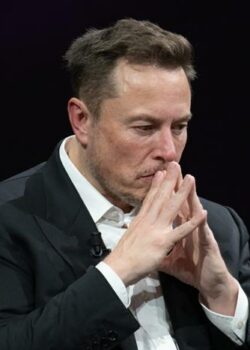
US states need to legislate to stop executives from insuring their own directors in the way Elon Musk did, writes law professor.
-
June 9, 2022

It is easy to see the tragic situation unfolding in Ukraine in terms of a failure of risk perception by both Russia and the West.