

A broader boardroom
Their lordships were reflecting on corporate governance recently—raising the issue of worker participation in the boardroom.
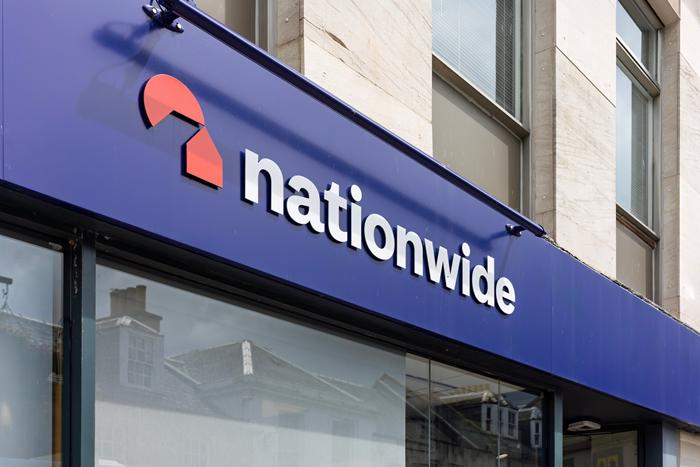
This is timely, as The Guardian noted this week that some organisations are on the cusp of shaking up their own boards. Nationwide building society will, on 15 July, for example, have a customer up for a boardroom seat. A customer? It’s almost as if Nationwide plays a massive role in the lives of their customers.
James Sherwin-Smith, the customer standing for election, has reportedly called for change in Nationwide’s governance for some time. Banking correspondent Kalyeena Makortoff writes that Sherwin-Smith’s appointment could “shake up the status quo and revive the debate over corporate democracy”.
The thought would not be lost on Lord Prem Sikka who, in the House of Lords, voiced his own desire for change during a debate on the King’s Speech and the need for a UK industrial policy.
Lord Sikka argued that an “intelligent industrial strategy must address the case for corporate governance reform, to encourage directors to focus on company long-term success and to ensure that the workers’ voice is included.”
Pity the government just killed off most of the governance reform programme. Still, there’s time. Isn’t there?
Who will see sustainability?
There are some changes on the way though (warning: word salad about to be served), not least among them regulators’ efforts to finely hone a package of sustainability reporting measures—or UK Sustainability Reporting Standards (UK SRS).
UK SRS are largely based on reporting guidelines drawn up by the International Sustainability Standards Boards (ISSB), part of the same group that oversees International Financial Reporting Standards (IFRS).
As dull as that sounds, there could be big implications about who is reading the new disclosures.
A report of a webinar, hosted by Bureau Veritas, pointed out: “The discussion highlighted that disclosures may increasingly need to sit within the annual report and accounts, rather being confined to separate sustainability documents.
“This is important because it changes the audience, the level of scrutiny and the internal functions that need to be involved.” And that is the point: new readers means a new era of accountability.
Schooled for success
Some unsettling news updates from boffins looking at CEOs and socio-economic status (SES).
According to three profs from England, Ireland and China, privately educated chief executives—those with a high socioeconomic status (SES)—are perceived as safer hands by investors. This is even though there is no discernible difference between private and state school-educated corporate leaders.
The paper reports: “In sum, the results suggest socioeconomic status… shapes market perceptions of firm risk, even in the absence of observable differences in CEO behaviour.
“While high-SES CEOs are not necessarily better at managing risk, their perceived competence leads to a lower risk profile for their firms.”
Lord knows what investors would think if our comprehensive school mates were in charge of their favourite FTSE 100 corporates.
Related Posts
-
November 28, 2023

But despite greater corporate attention being paid to ESG, directors’ engagement with it is losing momentum, global report finds.
-
April 14, 2026

While the move is welcomed by many, some fear that it risks undermining 'double materiality' principle in European reporting.
-
November 26, 2025

As regions move to adopt different standards, organisations seek to get to grips with the changes in disclosure requirements.
-
May 31, 2024

Defining sustainability standards; an AI education; should investors get to choose the chief executive?; Exxon row heats up.