Skip to content

15 February, 2026

  • Saved Articles
  • My Account
  • Subscribe
  • Log In
  • Log Out

Board Agenda

  • Governance
  • Strategy
  • Risk
  • Ethics
  • News
  • Insight
    • Categories

      • View all
      • Governance
      • Strategy
      • Risk
      • Ethics
      • Board Expertise
      • finance
      • Technology
    • board decisions

      How to take decisions in uncertain times

      Instability is no longer a temporary disruption but a permanent state, so boards must govern...

      ethnic diversity FTSE 350

      Are US anti-DEI policies affecting global boards?

      Chairs must be alert to the issues raised by a shifting picture in diversity, equity...

      mindset

      Transformation begins with board mindset

      Boards cannot lead meaningful change without being prepared to examine and adjust how they think,...

  • Comment
      • View all
    • mindset

      Transformation begins with board mindset

      Boards cannot lead meaningful change without being prepared to examine and adjust how they think,...

      growth in a volatile year

      5 strategies for growth in a volatile year

      A survey of the C-suite in Europe reveals the practical and pragmatic approaches being taken...

      audit reform

      This is the worst time to abandon audit reform

      High-quality audit, accurate corporate reporting and strong governance give investors confidence and help companies operate...

  • Interviews
      • View All Interviews
      • Podcasts
      • Webinars
    • ethnic diversity FTSE 350

      Are US anti-DEI policies affecting global boards?

      Chairs must be alert to the issues raised by a shifting picture in diversity, equity...

      2026 OUTLOOK

      Are you ready for 2026?

      Buckle up: it looks like boards are in for a turbulent time. We interviewed key...

      sustainability report audit

      Thinking of sidelining sustainability? Think again

      Boards that embed sustainability into strategy will be ready to face today’s complex environment, the...

  • Board Careers
      • View All
    • female CEO

      Number of women in leadership stays unchanged

      In 2021, there were only eight female CEOs in the FTSE 100—a figure that is...

      female NED

      UK female non-executives earn £73k less than male NEDs

      Although the UK’s average gender pay gap on boards is shrinking, it is still one...

      directors duties

      3 top tips on directors’ duties

      When directors fall short of their responsibilities, the consequences can be devastating. How can board...

  • Resource Centre
      • White Paper Downloads
      • Book Reviews
      • Board Advisory & Corporate Services
    • Governance Outlook 2026: Governance in transition across Asia-Pacific

      Diligent partnered with the Governance Institute of Australia and the Singapore Institute of Directors for...

      Allianz Risk Barometer 2026

      Allianz Risk Barometer 2026

      For this report, Allianz sought the views of 3,338 respondents from 97 countries and territories,...

      forvis mazars ceo 2026

      C-suite barometer: outlook 2026

      Forvis Mazars collected the views of more than 3,000 C-suite executives across 40 countries, for...

  • Events
  • Search by topic
    • Governance
    • Strategy
    • Risk
    • Ethics
    • Regulation
    • ESG
    • Investor Relations
    • Careers
    • Board Expertise
    • finance
    • Technology

Years after Carillion’s collapse, the UK still waits for audit reform

by Gavin Hinks on October 31, 2022

Researchers say inquiry focused on apportioning blame to individuals, rather than investigating the regulatory system.

minister

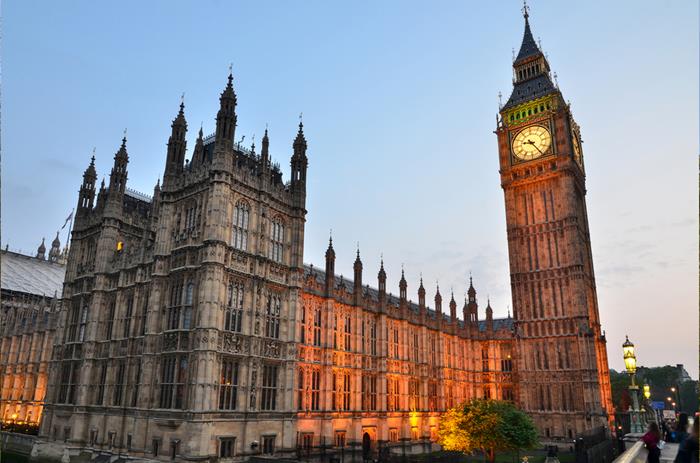
Image: CristianGusa/Shutterstock.com

Favorite

We are months away from the fifth anniversary of the collapse of Carillion and the UK still awaits the final pieces of the long-proposed audit reforms. Meanwhile, an examination of the inquiry process that followed the demolition of the UK’s second largest construction company finds that it was less concerned with the regulatory systems than it was with apportioning blame—largely to company directors.

Academics behind the research say this approach to investigating the disaster caused it to avoid fully engaging with regulatory design and may bring into question the usefulness of this type of inquiry.

Andrea Tomo, of the University of Naples, and Hugh Willmott, of Bayes (formerly Cass) Business School in London, conclude that members of Parliament undertaking the inquiry, as well as auditors, regulators and ministers “shared a primary focus upon the allocation or avoidance of blame, rather than interrogation of the design and operations of a regulatory system that accommodated, if not precipitated, Carillion’s failure.”

The duo draw their conclusions after a close textual analysis of transcripts from the hearings of two parliamentary committees probing Carillion’s collapse in January 2018—the work and pensions committee and the business, energy and industrial strategy committees.

Executives from Carillion; representatives from the auditors, KPMG; the chief regulator of the Financial Reporting Council; and ministers gave evidence, resulting in a swathe of recommendations and triggering three further inquiries looking at competition among auditors, regulation of financial reporting and audit, and the content of audits.

‘Greedy miscreants’

However, the audit reform process began in Parliament. After examining the kind of questions asked by MPs and the answers provided by witnesses, the researchers conclude the hearings were focused much more on assigning blame to individuals than it was to questioning the system of regulation and oversight that resulted in Carillion’s collapse.

“Attributing the collapse to a few greedy miscreants who had deviated from normal expectations safeguards the regulatory status quo and its adequacy, and the responsibility of elites for its design and operation, was largely spared from scrutiny.”

This may be a difficult commentary for many in audit and regulation to hear. But there has been some movement since the hearings. KPMG’s audit has faced investigation by watchdogs and an audit white paper brought together more than 200 separate proposals for adjusting audit, addressing the audit market, changing the responsibilities of audit committee members and beefing up internal controls.

An audit reform bill, mentioned in the Queen’s Speech earlier this year, briefly listed just a small number of measures for legislation: creation of a new regulator from the FRC to be called ARGA (the Audit, Reporting and Governance Authority); managed shared audit to force Big Four audit firms to share their work with so-called “challenger firms”; new regulatory powers to “enforce” financial reporting duties among directors; and bringing large private companies within the scope of audit rules and regulation.

Fair but not harsh

Many other proposals have been left for “soft law”, such as the UK Corporate Governance Code—an easier option than legislating, but without as much bite.

The latest research ends with a couple of observations. If the Big Four firms—PwC, Deloitte, EY and KPMG—continue in their position of dominance, they should commit to full participation in a process of regulation that “effectively” serves “diverse” stakeholders. And that should mean shifting their own metrics from indicators such as “revenue growth” and “improved profit margin”.

The writers also suggest auditors might have to consider engaging with public expectations that auditors “expose false accounting, fraud, tax evasion and risk to economies…”. (Government has expressed an interest in legislating to ensure auditors report on directors’ efforts to prevent and detect fraud).

Audit is one of those “forever” issues. There is, at its heart, an enduring conflict: auditors are paid by the people that they are supposed to be supervising, an agency issue which regulation is designed to manage.

As we approach the fifth anniversary of Carillion, it’s worth pausing to wonder whether regulation has progressed. Granted, Brexit and the pandemic got in the way, but five years seems a long time to be pondering new rules and guidelines. In the meantime, the Big Four remain the dominant players among FTSE 350 companies. There is no significant change there. It is yet to be seen whether reform proposals will make a difference.

  • Facebook
  • Twitter
  • Google+
  • LinkedIn
  • Mail

Related Posts

  • Audit reform in the UK risks ‘losing momentum’
    January 26, 2023
    audit reform UK

    The Financial Reporting Council still awaits the proposed new statutory powers that would allow it to enforce substantive change.

  • Audit committees name ESG reporting as top agenda item
    February 14, 2023
    Audit ESG reporting

    US audit committees are focused on sustainability reporting despite ESG becoming a point of friction in US politics.

  • Corporate governance code review boosts internal controls
    May 25, 2023
    boost audit

    UK watchdog’s proposals include giving audit committees greater reporting responsibilities and addressing ‘overboarding’.

  • Ditching audit reforms will 'diminish' UK reputation for reporting
    October 25, 2023
    audit reform delay

    We will continue to argue for and support improvements to corporate reporting (and to audit quality and to audit oversight) in the UK, to ensure that the UK continues to be a world leader in this really important area.

Search


Follow Us

Most Popular

Featured Resources

wef global risks 2025

The Global Risks Report 2025

The 20th edition of the Global Risks Report reveals an increasingly fractured global...
Supply chain management cover

Strategic Oversight in Supply Chain Management: A Guide for Corporate Boards 2025

Supply chains have become complex, interdependent and opaque and—according to research...
OB-Cyber-Security

Cyber Security: What Boards Need to Know

Maintaining firewalls, protecting servers and filtering malicious emails rarely make...

C-suite barometer: outlook 2025 - UK insights

Forvis Mazars draws UK insights from its global study and looks at UK executives’...

The IA’S Principles Of Remuneration 2024 2025

This guidance from the Investment Association is aimed at assisting remuneration...
Diligent 2024 leadership tech cover

Leadership, decision-making & the role of technology: Business survey 2024

This research report by Board Agenda and Diligent sheds light on how board directors...

Director Reference Guide: Navigating Conflict in the Boardroom

The 'Director Reference Guide' on navigating conflict in the boardroom provides practical...
Nasdaq 2024 governance report cover

Nasdaq 2024 Global Governance Pulse

This Nasdaq survey gathered data from more than 870 board members, executives, and...

Becoming a non-executive director (4th edition)

Board composition is the subject of much debate, while the role of the non-executive...
art & science brainloop new cover

The Art & Science of Creating an Effective Board

Boards are coming under more scrutiny and pressure than ever before from regulators,...
SAA First time NED guide

First Time Guide for Non-Executive Directors

The role of the non-executive director has never been more vital: to advise, support,...

SUBSCRIBE TODAY

Stay current with a wide-ranging source of governance news and intelligence and apply the latest thinking to your boardroom challenges. Subscribe


  • Editors & Contributors
  • Editorial Advisory Board
  • Board Advisory & Corporate Services
  • Media Marketing Solutions
  • Contact Us
  • About Us
  • Board Director Network
  • Terms & Conditions
  • Privacy Policy
  • Cookies

Copyright © 2026 Questor Media Group Ltd.

  • Terms & Conditions
  • Privacy Policy