


Accountancy and audit are the bedrock of all corporate governance. Without reliable figures, the whole process of business and investment crumbles. Accountants and auditors with integrity are essential.
But after a spate of scandals over cheating in professional exams around the world, a UK watchdog is seeking assurances that exam processes are clean, amid worries about how swindling examiners might affect audits.
The Financial Reporting Council has written to the heads of big audit firms and professional accountancy bodies asking for information about the way exams are conducted and how they ensure their testing of candidates is undertaken with “integrity”.
A letter from Sarah Rapson, the FRC’s executive director of supervision, says three recent incidents of cheating in the US, Canada and Australia have raised significant questions and says she now wants to hear about the way UK exams are handled.
Rapson says “there are clear implications for compliance” with the principles of integrity, objectivity and ethics that should be applied in audit work.
“The FRC is deeply concerned about these events,” she writes, “and the potential impact on UK audits if such an issue was identified in the UK.”
Rapson asks audit firm chief executives to set out the “preventative and detective controls” they have in place to ensure cheating incidents “do not happen in the UK”. She also wants to know how firms “obtain assurances as to the controls’ effectiveness”.
Rapson writes: “We would ask for you to confirm the specific controls that are in place in these circumstances to ensure the integrity of the examinations as part of obtaining the chartered accountant qualification.”
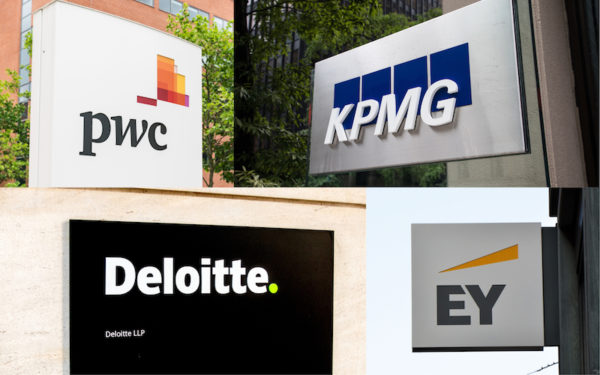
EY in the US fined $100m
The most recent example of cheating came in the US, when the authorities there fined EY $100m after staff were found to have cheated on a CPA ethics exam and the firm was found to have withheld evidence.
Gurbir S. Grewal, leader of the Securities and Exchange Commission’s enforcement division, said: “It’s simply outrageous that the very professionals responsible for catching cheating by clients cheated on ethics exams of all things.”
In February, Canadian regulators found that 1, 200 professionals at PwC had engaged in “improper answer sharing” from 2016. The firm reported the matter itself to watchdogs but was nevertheless found to have run an exam process without “adequate quality policies and procedures”. PwC was censored, fined $200,000 and told to revise its procedures.
Last year, US watchdogs took exception to behaviour at KPMG in Australia, fining the firm $450,000 after it emerged that 1,100 staffers were found to be involved in “improper answer sharing” for tests on mandatory courses, also from 2016. These included exams in “professional independence”.
There will always be exam cheats, but the scale of cheating in these examples shows subterfuge on industrial levels. The FRC’s review sounds reasonable.
Related Posts
-
October 5, 2021

Transparency groups including Greenpeace UK say failing to disclose the audits involved "risks creating a general lack of confidence in all audit opinions".
-
October 19, 2021
Discussions about the merits of an audit market share cap have intensified after remarks made by Sir Jon Thompson last week.
-
November 10, 2022

Watchdog’s guidance to audit committees aims at expanding choice and addressing competition within the audit market.
-
January 27, 2022
The prospective FRC chair acknowledged that the watchdog's own governance needs reform, and that audit scandals have damaged its reputation.